
Blog
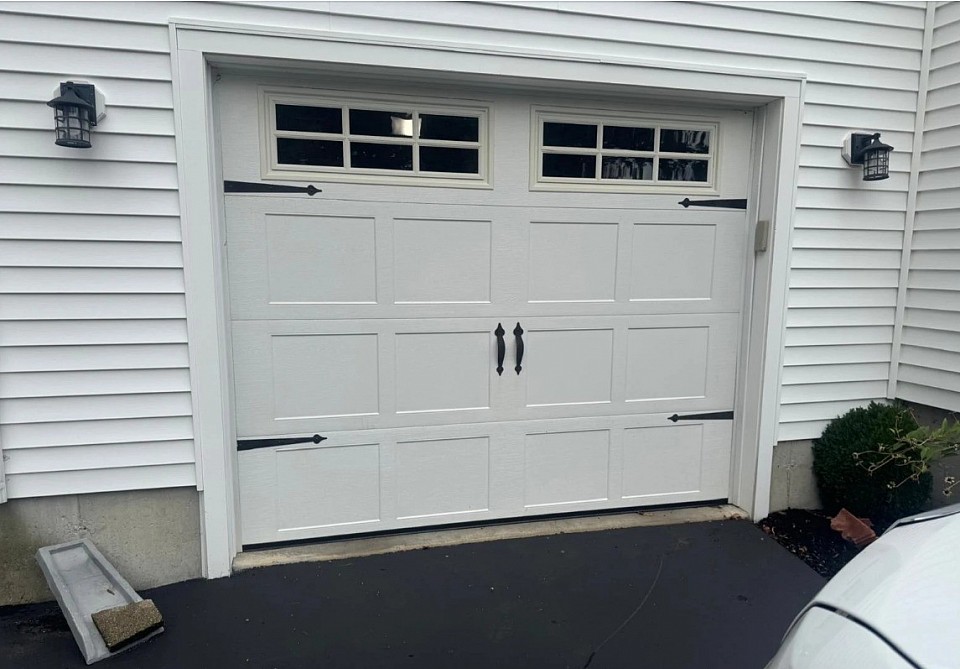
Modern Garage Door Trends and Best Practices for Lasting Performance
Homeowners and builders increasingly view the garage as a multifunctional zone, so door selection and installation strategies now balance architecture, safety, efficiency, and everyday convenience.
Material Selection Shapes Durability, Maintenance, and Design
Choosing the right door material sets the tone for performance and curb appeal. Steel doors dominate for their strength, consistent finish options, and compatibility with diverse home styles—from contemporary panels with clean lines to carriage-house looks with stamped textures. Aluminum offers lightweight construction and corrosion resistance, useful in humid regions or for wide openings where reduced load on hardware can help. Wood brings unmatched warmth and character; species, stains, and finishes can be tailored for a custom look, though periodic refinishing is part of proper care. Composite and fiberglass doors provide wood-like aesthetics with more predictable maintenance needs and resistance to warping. When planning garage door installation, weigh local climate, exposure to sun and moisture, and the home’s exterior palette. For example, a coastal property may favor powder-coated aluminum or composite skins to combat salt air, while a mountain cabin might lean toward insulated steel with a faux-wood overlay for rustic appeal without the upkeep of solid wood.
Insulation and Sealing Improve Comfort, Noise Control, and Efficiency
Insulated doors help stabilize interior temperatures and quiet street noise, especially important when the garage doubles as a gym, workshop, or hobby area. Insulation types vary, with polystyrene panels offering reliable thermal performance and polyurethane foam providing enhanced rigidity and sound dampening. Look beyond the door’s core to the full system: perimeter weatherstripping, bottom seals, and proper track alignment all affect air infiltration, dust ingress, and overall comfort. In practice, attention to detailing pays dividends. For example, upgrading worn bottom seals can reduce drafts that cause temperature swings, while foam-insulated sections paired with tight-fitting jamb weatherstrips can make the difference between a space that’s only for storage and one suitable for projects year-round. During garage door installation, technicians often fine-tune track spacing, spring tension, and opener force settings to ensure smooth travel and consistent sealing at the floor and sides, minimizing gaps that invite pests and moisture.
Smart Openers and Safety Features Elevate Everyday Use
Modern openers bring mobile control, alerts, and scheduling into the fold, turning a garage into a connected entryway. Wi‑Fi-enabled units allow remote operation and status checks, and some integrate with security cameras or lighting for added visibility. Noise reduction is another priority: belt-drive openers paired with vibration-isolating mounts can keep living spaces over or next to the garage quieter. Safety remains central. Contemporary systems include photoelectric sensors that halt and reverse the door if an object interrupts the beam. Many openers offer soft-start and soft-stop functions that reduce wear on components. Battery backup ensures access during power interruptions, which is especially helpful in areas susceptible to outages. When planning garage door installation with a smart opener, consider wireless keypad placement for family access, vehicle compatibility for in-car controls, and network signal strength in the garage. For example, a detached shop may benefit from a range extender to maintain reliable remote operation and alerts.
Wind, Security, and Code Considerations Guide System Selection
Local building codes and regional weather patterns influence door construction choices, reinforcement methods, and attachment hardware. In storm-prone zones, reinforced struts, heavy-duty track brackets, and robust fasteners help doors resist wind-induced pressures. In urban settings, stronger section skins, tamper-resistant bottom brackets, and rolling code technology deter opportunistic entry. Security can also be enhanced with interior slide locks, motion-activated lighting, and monitoring features through connected openers. Beyond the door itself, correct mounting into solid framing is critical to load transfer and longevity. During garage door installation, crews confirm header integrity, check for plumb and level jambs, and verify that anchor points meet manufacturer requirements. Practical add-ons like manual release tags placed within easy reach improve emergency egress. A homeowner who frequently travels might set timed close functions and receive activity logs, turning the garage into an integral part of overall home security without complicating daily routines.
Lifecycle Planning: Maintenance, Repairs, and Upgrades
Even the best door system benefits from routine care. Seasonal maintenance often includes lubricating rollers and hinges with appropriate products, inspecting lift cables for fraying, and confirming spring balance so the door stays in position when partially open. Keeping tracks free of debris prevents rollers from binding, and replacing worn weatherstrips preserves energy performance and keeps the interior cleaner. Over time, upgrades extend value. Swapping out basic rollers for sealed-bearing nylon can reduce friction and noise. Adding a modern opener with soft-close features can protect an older but structurally sound door. When considering a full replacement, evaluate the opening’s dimensions, headroom, and backroom to match track configurations and torsion or extension spring systems. If the garage doubles as a studio or home office, an insulated, quiet door with a belt-drive opener may transform daily comfort. Thoughtful garage door installation—aligned tracks, balanced springs, and calibrated opener force—sets the stage for fewer service calls and a door that operates smoothly for years, while style updates and smart features keep the system aligned with evolving household needs.
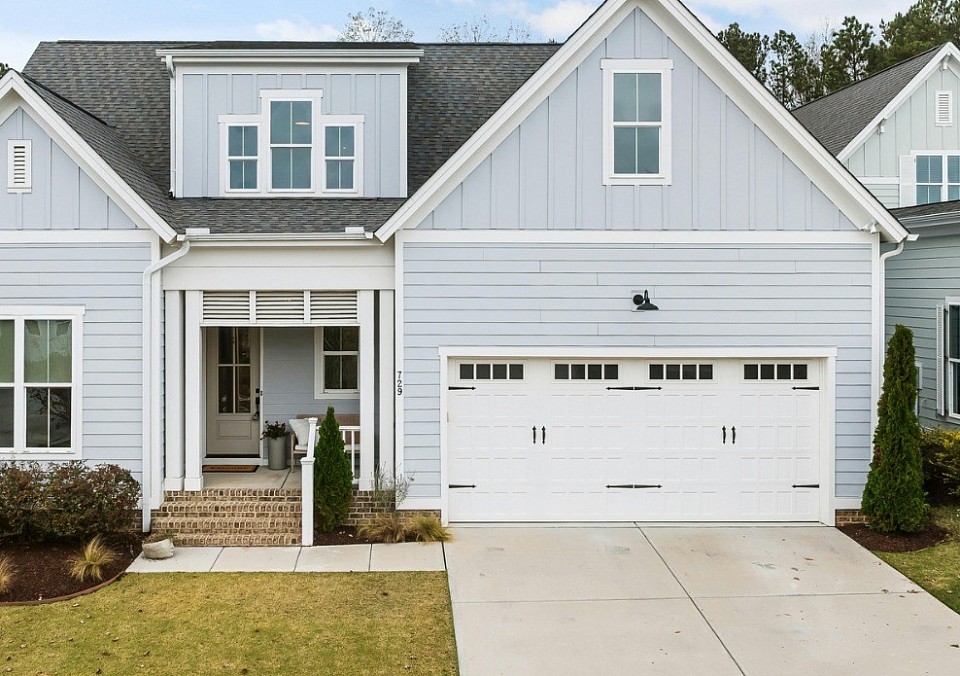
Five Industry Trends Reshaping Modern Garage Doors and Access Systems
Modern garage doors and access systems are evolving quickly as homeowners and facility managers prioritize safety, efficiency, design, and connected technology.
Smarter access and integrated controls
Smart platforms have transformed how people approach entry and security. Today’s systems often connect with Wi‑Fi hubs, voice assistants, and geofencing features so doors can be monitored and controlled from virtually anywhere. A garage door company that understands interoperability will help match openers, wall consoles, and accessories to a home’s existing network and preferred apps. For example, a homeowner might choose a smart keypad for family access, a camera-equipped opener for video confirmation, and notifications that alert when the door is left open for a set period. In commercial settings, property managers look for audit trails, multi-user permissions, and integration with broader building systems. The goal is to make access more convenient without sacrificing security. Reliable connectivity, routine firmware updates, and strong encryption are essential parts of a resilient setup.
Materials that balance durability, insulation, and style
Material choice shapes performance, noise levels, maintenance needs, and curb appeal. Steel remains a proven option for impact resistance and design versatility, often available in multiple panel styles and finishes. Aluminum is a smart pick when weight reduction is critical, such as for oversized doors that require smoother lifting and lower strain on hardware. Composite cladding can mimic natural wood while resisting rot and frequent refinishing, striking a balance between warmth and practicality. Where quiet operation and climate control matter, insulated construction with quality weather seals can help stabilize interior temperatures and reduce vibration and rattling. A well-informed garage door company will walk clients through trade-offs—such as combining an insulated steel core with composite overlays to achieve both efficiency and a custom look. For coastal or high-humidity environments, corrosion-resistant components and finishes play an outsized role in long-term reliability.
Safety-first design and code mindfulness
Industry standards continue to emphasize safety sensors, pinch-resistant panel designs, and reliable counterbalance mechanisms. Photo eyes that detect movement beneath a closing door, auto-reverse features, and properly tensioned springs help reduce hazards when installed and maintained correctly. In many locales, adherence to wind-load requirements or specific building codes is essential for structural integrity and compliance. Commercial doors—such as those used in warehouses or fire stations—often call for advanced safety controls, signage, and specialized testing procedures. Homeowners benefit from periodic safety checks, including verifying sensor alignment, confirming proper travel limits, and listening for unusual noises that signal wear. A careful maintenance routine should also include inspecting weather seals, hinges, rollers, and cables for damage or fatigue. When recommendations point to replacement of worn or incompatible components, timely action supports smoother operation and a longer service life.
Proactive maintenance and lifecycle planning
Preventive care helps avoid costly downtime and preserves performance. Routine lubrication of rollers, hinges, and springs can reduce friction and extend component longevity. Simple housekeeping—like clearing tracks of debris and keeping the area around the door free of obstructions—goes a long way. When doors serve high-traffic spaces, a scheduled inspection plan helps identify early signs of trouble, from frayed cables to misaligned tracks. For example, a distribution facility might coordinate seasonal tune-ups to align with peak shipping periods, reducing the chance of interruptions. Homeowners can plan similar checkups ahead of major weather shifts. Lifecycle planning also includes evaluating when an upgrade provides more value than continued repair—such as transitioning from a noisy, uninsulated door to a quieter, insulated model with modern sealing systems. Keeping records of service dates, parts replacements, and opener settings supports consistent, data-informed decisions.
Design-forward choices that add curb appeal and function
Garage doors occupy substantial visual real estate, so design choices matter. Contemporary homes often favor clean lines, flush panels, and matte finishes, while traditional facades may call for carriage-house details, decorative hardware, or window lites that echo existing architecture. Glass options can brighten interiors; frosted or tinted panes provide privacy while maintaining daylight. Thoughtful color selection ties the door to trim, siding, and roofing, creating a cohesive exterior. Practical features like low-profile tracks, quiet belt-drive openers, and LED lighting elevate daily use. Weather-appropriate seals, thresholds, and durable finishes keep the door looking and performing its best through seasonal changes. When evaluating options, consider both the visible elements and the behind-the-scenes components—springs, rollers, and openers—all of which contribute to a refined experience over time. Partnering with a knowledgeable garage door company helps translate an aesthetic vision into a well-engineered result that meets functional needs as well.